

 Login
Login
Musical notes are the language through which musicians express their ideas and emotions through sound. They are the primary means that enable musicians to write down musical compositions in a way that allows them to be accurately reproduced, and they are the tool that ensures musical works are passed down through generations.
What Are Musical Notes?
Musical notes are written symbols that represent different musical sounds. Each note has a specific time value that determines how long the sound lasts, as well as a pitch that determines how high or low the tone is. Through these symbols, musicians can understand how to perform a musical piece, including the melodies, rhythms, and dynamic expressions.
The Basics:
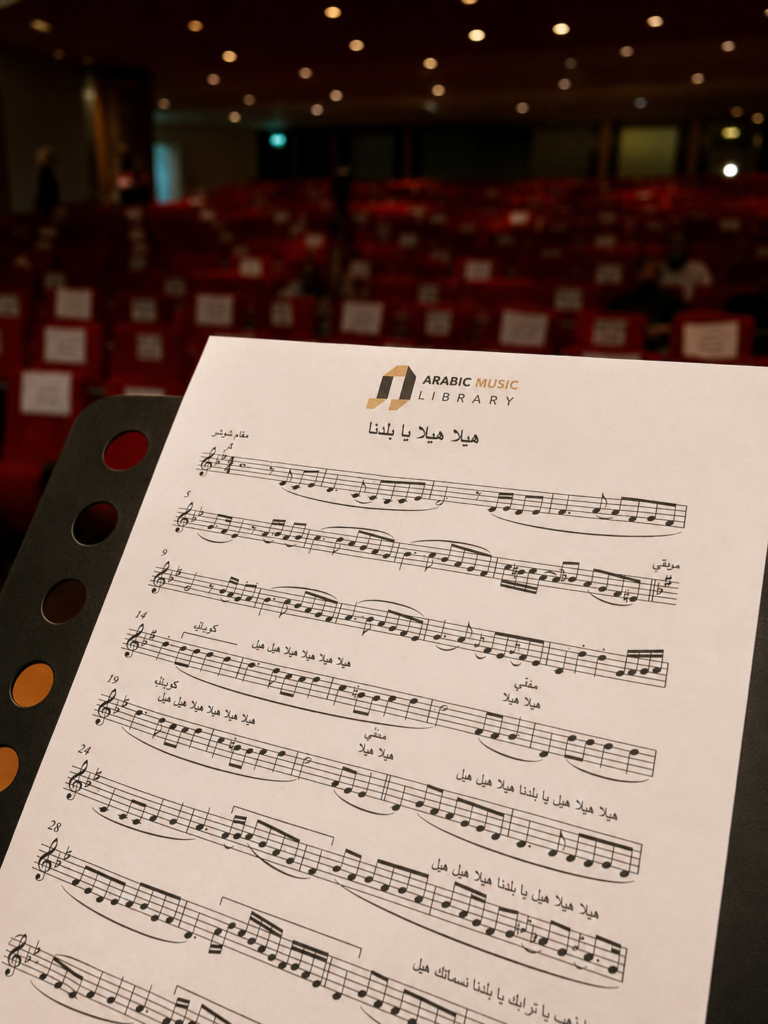
Musical notes are written on lines called the “musical staff,” which consists of five lines and four spaces. Notes are placed on these lines and spaces to determine the specific pitch. The shape of the note indicates its duration; there are whole notes, half notes, quarter notes, and so on. In addition, there are other markings such as rhythm and tempo indications that guide the performer on how to accurately execute the musical piece.
History and Development of Musical Notes:
Musical notation has evolved over time. In the beginning, it consisted of simple symbols used during the Middle Ages to record religious melodies. Over time, it developed to include more details, allowing musicians to write more complex music. This evolution played a major role in the flourishing of classical music in Europe during the Renaissance and Baroque periods.
The Importance of Musical Notes:
Musical notes play a vital role in music education. They provide musicians with a way to understand and analyze musical pieces, enhancing their ability to perform and interpret them. In addition, musical notation helps preserve and transmit musical works, ensuring their survival over time.
Musical Notes and Modern Music:
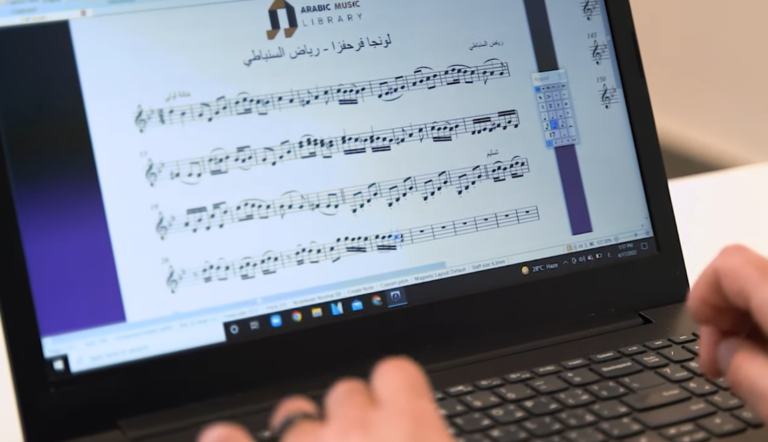
Even in today’s digital age, musical notes still retain their importance. Advanced computer programs use musical notation to write and edit music. Musical notes also remain essential in academic music, where they are used in analyzing and teaching both classical and contemporary musical works.
Musical notes are the fundamental foundation of written music. Through them, musicians across generations can document their creativity and communicate with new generations of musicians and listeners. In the world of music, notes are the universal language that brings together everyone who wishes to express their feelings and ideas through sound.